

The 7 Most Important Safety Rules for Shibari Beginners (2026) | TheRopestry
Start Shibari safely and responsibly: The 7 essential safety rules every beginner should know. With practical tips on nerves, circulation, safewords, and emergency preparation.

Table of Contents
- 1. Always Have a Clear Consent Conversation and a Safeword System
- 2. Have Basic Knowledge of Anatomy and Nerve Pathways
- 3. Regularly Check Circulation and Body Sensation
- 4. Never Leave the Bound Partner Unsupervised
- 5. Always Pay Attention to Emergency Preparation
- 6. Proceed Slowly and Step by Step
- 7. Take Aftercare Seriously – Even with “Light” Sessions
- FAQ: Common Questions About Shibari Safety
- Conclusion: Safety Creates Real Trust
1. Always Have a Clear Consent Conversation and a Safeword System
Before the first rope is used, a detailed conversation must take place. Consent is not a one-time “yes” at the beginning – it is an ongoing process. You and your partner should know exactly what is allowed, what is desired, and where the boundaries are.
Practical implementation:
- Discuss in detail beforehand which touches, positions, and intensities are okay.
- Agree on a clear safeword system: “Red” = stop immediately, “Yellow” = reduce pace or intensity, “Green” = everything is fine.
- Always agree on non-verbal signals when using gags, blindfolds, or strong sensory deprivation (e.g., dropping a bell, opening and closing the fist three times, or knocking three times).
Tip: Even if you have known each other for a long time – consent should be discussed again before every session. It creates clarity and can even deepen the connection.
2. Have Basic Knowledge of Anatomy and Nerve Pathways
Many injuries occur due to pressure on nerves or joints. You don’t need to study medicine, but you should know the most important risk areas.
Particularly critical are:
- The radial nerve on the upper arm (“Saturday Night Palsy”)
- The ulnar nerve at the elbow
- The brachial plexus in the armpit
- The femoral nerve on the thigh
Rule: Avoid strong, direct pressure on joints, armpits, groin, and the neck. If you are unsure, loosen or change the position slightly. It is better to have a slightly less strict pose than a permanent nerve injury.
3. Regularly Check Circulation and Body Sensation
Even if a tie looks perfect visually – what matters is what your partner feels.
Important check points:
- Can the person still move their fingers and toes?
- Is there numbness or tingling?
- Does the skin color change (blue, white, strongly red)?
- Is the skin still warm?
Recommendation: Do a short check every 10–15 minutes – even with “simple” floor ties. It is better to ask too often than too little.
Quick checklist for every circulation check:
- Fingers/toes can be moved?
- No strong tingling or numbness
- Normal skin color and temperature
- No swelling or sudden pain
4. Never Leave the Bound Partner Unsupervised
This applies especially to suspensions, strict fixations, or positions where breathing could be restricted. But even during relaxed floor sessions, you should stay within hearing and sight distance.
Subspace can go very deep – in this trance-like state, your partner is often no longer able to get help on their own. Do not leave the room, not even “just for a moment”.
5. Always Pay Attention to Emergency Preparation
Even with careful practice, something can go wrong. That’s why the following applies:
- A safety scissors or rescue knife must always be within reach (best attached to the rigger’s body).
- The phone should be within reach.
- Ideally, at least one person knows first aid.
Important: Practice how to cut quickly and safely in an emergency without injuring your partner. Take 10 minutes with an old mat or a rope – in a real emergency you will then stay calm and safe.
6. Proceed Slowly and Step by Step
Many beginners want to do too much too quickly. Complex harness ties, partial suspensions, or demanding positions should only come once the basics are in place.
Recommended start:
- Start with simple hand and foot restraints
- Practice only short sessions at first (15–30 minutes)
- Gradually build up more time and complexity
Patience is not a weakness here, but a sign of responsibility and respect.
7. Take Aftercare Seriously – Even with “Light” Sessions
Many underestimate how much even a short or “only” emotional session can strain the body and mind. Aftercare is not a nice extra, but an important part of safety.
Good aftercare includes:
- Physical closeness and warmth (blanket, cuddling)
- Enough to drink and something sweet
- Time to come down
- A short debrief (What was good? What would you like to do differently next time?)
A possible sub-drop 24–48 hours later should also be kept in mind. A short check-in by message or call can make a big difference here.
FAQ: Common Questions About Shibari Safety
Can I do Shibari without a safeword if we know each other well?
No. Even in long-term relationships, a clear safeword system is important. Feelings and boundaries can change – especially in intense moments.
How do I recognize a nerve irritation?
Watch for numbness, tingling, sudden pain, or signs of paralysis. At the first signs, loosen or remove the rope immediately and change the position.
What is subspace and why do I need to pay attention to it?
Subspace is a trance-like state caused by endorphins. Your partner perceives less pain and is often “spaced out”. In this state, they cannot always communicate clearly – therefore never leave them unsupervised.
Do I need a first aid course?
Highly recommended. Many rope communities even offer special rope safety workshops. It gives you and your partner a good feeling.
How long should a beginner session last?
15–30 minutes are completely sufficient at the beginning. Quality over quantity. With growing experience, you can slowly increase the duration.
Conclusion: Safety Creates Real Trust
The most beautiful and intense Shibari experiences happen when both sides really feel safe. The 7 rules are not a restriction – they are the foundation for real trust and deep connection.
Anyone who internalizes these rules from the very beginning lays the best foundation for a long-term safe, respectful, and fulfilling practice. Start slowly, communicate openly, and enjoy every session with a good feeling.
Would you like to go deeper?
Here’s what to read next:
- Consent, Safewords & Check-ins – A Practical Guide for Beginners
- The Most Common Beginner Mistakes in Shibari (and how to avoid them)
Discover high-quality ropes and Shibari accessories in the shop at www.theropestry.com.
Your TheRopestry-Team
Weitere empfohlene Artikel
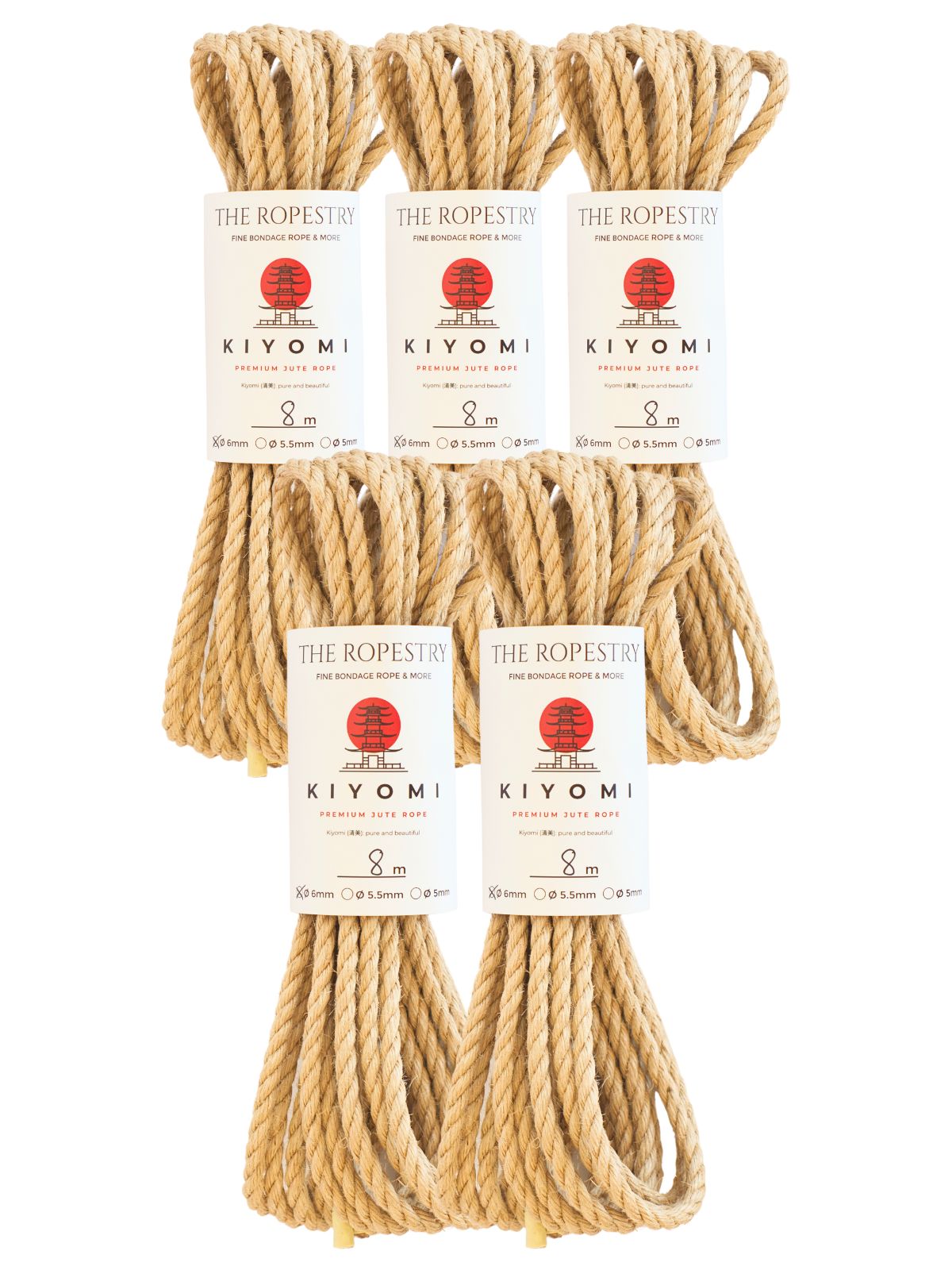
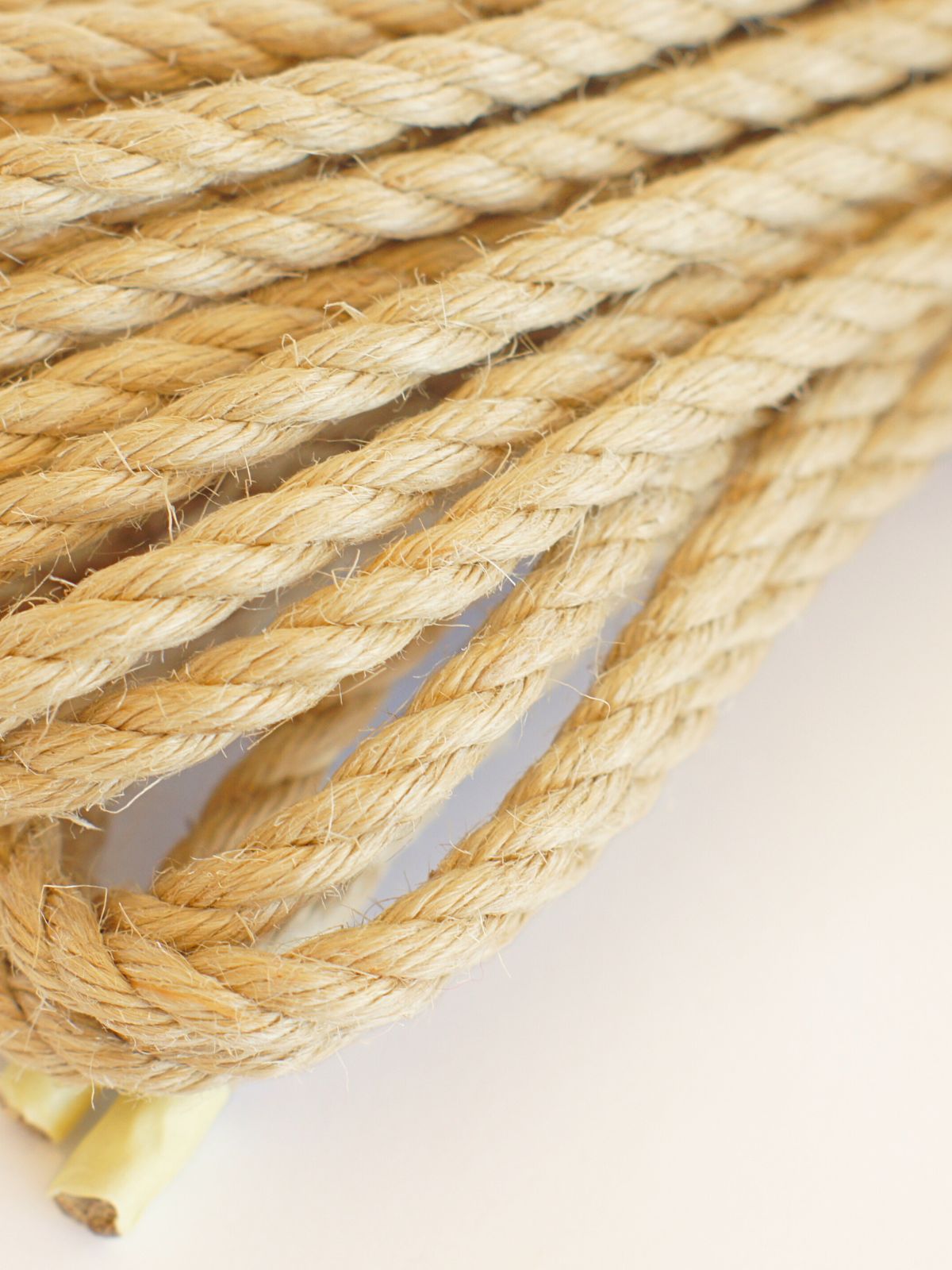
KIYOMI jute rope - a strong and durable single-ply jute rope just perfect for Shibari & Kinbaku. It's a chemical-free Z-Twist, medium-lay rope that's up for the challenge!Here are some reasons why you should definitely try this rope: 1. Natural and Sustainable: Jute is a natural fibre obtained from the jute plant. It is biodegradable and leaves no harmful residues in the environment. With our KIYOMI ropes you are contributing to a more sustainable world. 2. Conditioning Made Easy: Before you use your rope, you need to condition it. Don't worry, we include step-by-step instructions with every order. This way you can prepare your KIYOMI jute rope perfectly for your bondage sessions and projects. 3. Custom Knots: The rope ends are wrapped with tape so you can create your own knots and, if desired, add colourful markings of your choice. You decide what your rope should look like. We have provided an additional 30cm of rope for the knots, so e.g. a 4m long rope is actually 4.30m long, etc. 4. High-Quality Yarn with low Fiber Loss: We use a specific yarn for our ropes, which has been treated with a fiber-reducing technique to keep your play areas cleaner. The wear abrasion of our KIYOMI jute ropes is very low. Ready to Unleash Your Rope Skills? If you haven’t experienced our KIYOMI rope yet, now’s the perfect time. Dive into a world of natural premium jute, impeccable quality, and endless possibilities. Explore our rope sets, butters and accessories and let your imagination soar! JBO-FREE - SKIN-FRIENDLY - BIODEGRADABLEMaterials used:Jute yarn: 100% corchorus olitorius TossaBatching oil: Soybean oil Product ships from Germany. Important information about the product: Yarn spools are not infinitely long. Each spool of yarn has a beginning and an end, representing joins in the rope made with a reef knot. We recommend customers to remove these knots if possible. Further detailed product safety and usage guidelines for our products can be found here.


Shibari Starter Kit – Limited Edition Looking for a clear and practical introduction to Shibari? This limited Edition Starter Kit contains all the essentials for your first bondage sessions. Set Contents: 2 × KIYOMI Premium Jute Rope Ø 5.5 mm × 4 m (untreated)2 × KIYOMI premium jute rope Ø 5.5 mm × 8 m (untreated)1 × Scented Rope Butter Strawberry (50 g)1 × 3-ply handmade blindfold made of printed cotton satin (110 × 12 cm)1 × conditioning instructions The Kiyomi ropes are made of high-quality, JBO-free jute with a medium-tight lay. The 5.5 mm diameter feels comfortable in the hand and is suitable for quick ties as well as chest and hip bondage. The 4 m ropes work well for arms and legs, while the 8 m ropes are ideal for more elaborate ties around the body. The ropes are untreated and can be conditioned with the included strawberry-scented rope butter. We include instructions for conditioning with every set. The Rope Butter with strawberry scent conditions your ropes, keeps them supple and adds a light, pleasant fragrance. It nourishes the fibres and helps extend their lifespan. The blindfold is triple-layered and fully opaque. It is made of soft cotton satin with a floral print on black and measures 110 × 12 cm (43.3in x 4.7in). Print placement varies from blindfold to blindfold – each piece is therefore an unique item. This Shibari set has been compiled specifically for beginners. The rope lengths are versatile and the materials are skin-friendly and easy to handle. Limited Edition – while stocks last. Order your Shibari Starter Kit now and begin your rope journey! JBO-FREE ROPE - SKIN-FRIENDLY - BIODEGRADABLE Materials used: Jute yarn: 100% corchorus olitorius TossaBatching oil: Soybean oilProduct ships from Germany. Important information about the product: Yarn spools are not infinitely long. Each spool of yarn has a beginning and an end, representing joins in the rope made with a reef knot. We recommend customers to remove these knots if possible.Further detailed product safety and usage guidelines for our products can be found here.
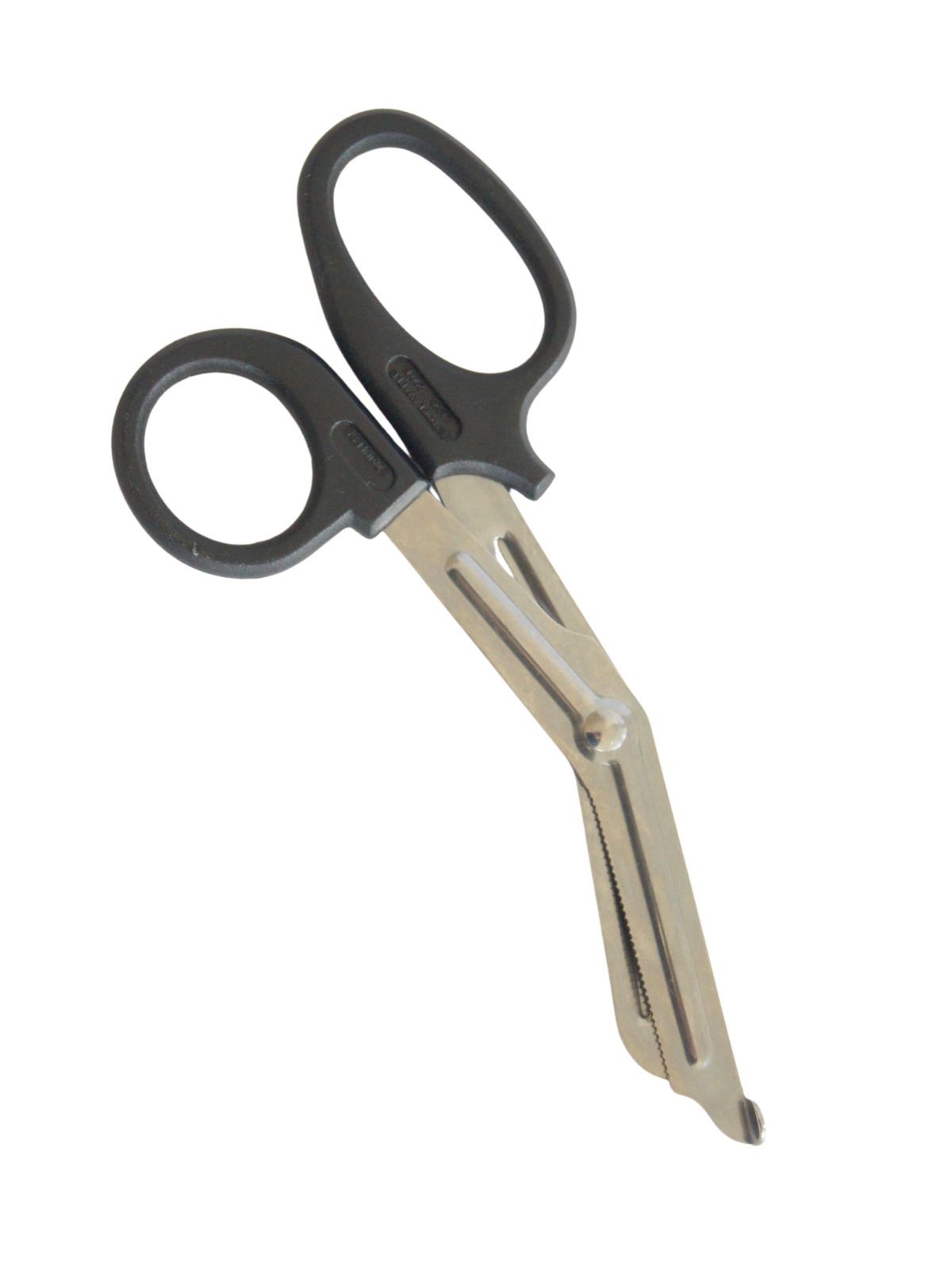
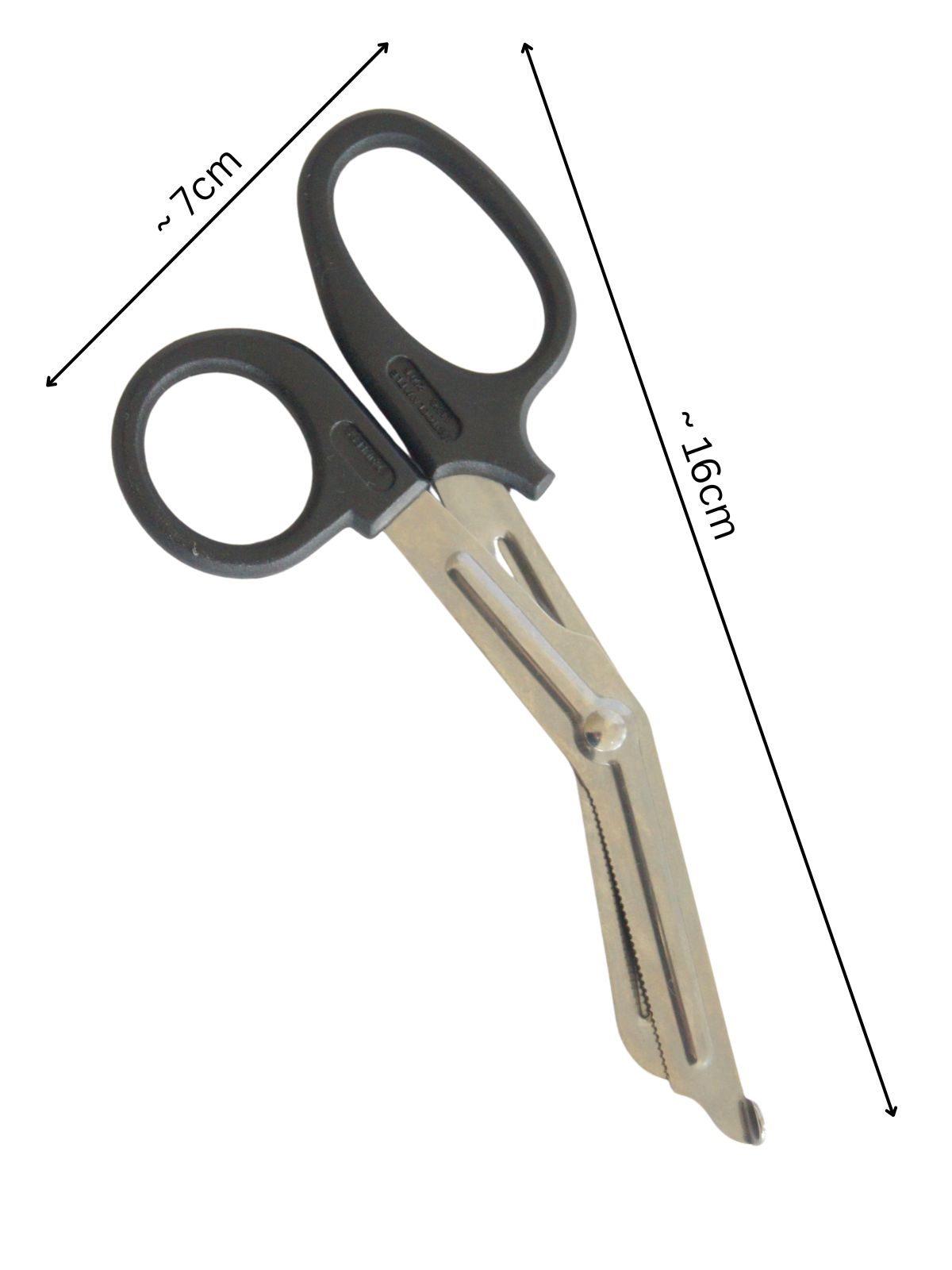
A pair of safety scissors should be in every rope bag! Our safety scissors effortlessly cut the ropes offered here in this shop. Ideal for use during rope preparation (conditioning), when cutting ropes from the spool, or for emergency use during bondage sessions. The rounded tips protect the skin from injury and ensure safe work. The scissors have an ergonomic, non-slip handle. Dimensions: Length approx. 16 cm, Width: 7 cm, Weight: ~26g Materials: Stainless steel, plasticProduct ships from Germany.Detailed product saftey and usage guidelines for our products can be found here.


This high-quality blindfold made of finely woven cotton poplin impresses with its pleasant, cool surface and exceptional durability. Thanks to the 3-layer construction (three layers of premium fabric), it is particularly grippy, opaque, and offers a noticeably luxurious feel. The blindfold is available in a wide range of colors. With a generous length of 43" (110 cm), it can be worn flexibly or classically tied at the back of the head – according to your personal preference. This allows you to adjust the pressure and fit exactly to your needs. Whether for targeted sensory deprivation, deep meditation, or restful relaxation: This mask creates pleasant darkness and inner calm. Product Details Material: 100 % finely woven cotton poplin – breathable, skin-friendly, and particularly shape-retaining Construction: 3-layer (three layers of fabric) for optimal opacity, grip, and comfort Wearing style: Flexible to wear or classically tied at the back of the head – for individual adjustment of pressure and fit Light Blocking: The high weave density of the poplin combined with the 3-layer construction provides excellent light blocking Finish: Precise seams and the robust fabric structure guarantee a long service life, even with frequent use Product Data & Dimensions Dimensions: approx. 43" × 4.7" (110 × 12 cm) Care: Machine washable at 30 °C Texture: Smooth, firmly woven, grippy and pleasantly heavy – opaque and premium quality Design: Solid color – available in many different colors Further detailed product safety and usage guidelines for our products can be found here.